
The idea of a US-Iran war has long captured global attention, sparking debates, fears, and headlines. These two nations, separated by geography but connected through decades of tension, seem to move in and out of conflict. Some people believe war is only a matter of time, while others see it as unlikely. To truly understand the possibility and impact of a US-Iran war, it’s important to look deeper—beyond news flashes and social media opinions.
This article explores the roots of the tension, the military strengths of both countries, the possible triggers, and what a conflict might mean for the world. It also examines diplomatic efforts, the role of allies, and the impact on ordinary people.
By the end, you’ll have a full picture of why this topic matters and what could happen if these two powerful countries clash.
Roots Of Us-iran Tension
The story of US-Iran relations is complex, stretching back over 70 years. The two countries were not always rivals. In fact, before 1979, Iran and the US were partners. But everything changed with the Iranian Revolution.
In 1979, Iran overthrew its US-backed Shah and became an Islamic Republic under Ayatollah Khomeini. Soon after, Iranian students stormed the US embassy in Tehran, taking 52 Americans hostage for 444 days. This event damaged trust and created deep anger in the US. Since then, the two countries have mostly seen each other as enemies.
Several issues keep tensions high:
- Iran’s nuclear program: The US believes Iran wants nuclear weapons, while Iran says its program is peaceful.
- Iran’s role in the Middle East: The US says Iran supports groups like Hezbollah and militias in Iraq, threatening US interests and allies.
- Economic sanctions: The US has used sanctions to pressure Iran, hurting its economy but also increasing hostility.
These problems have grown over time, making it difficult for the two countries to return to normal relations.
Military Power: Comparing The Us And Iran
A war between the US and Iran would not be equal. The US is a military superpower, while Iran has a smaller but determined force. However, Iran has ways to fight back that could surprise many.
Here’s a comparison of their military strengths:
| Category | United States | Iran |
|---|---|---|
| Active Military Personnel | 1.4 million+ | ~525,000 |
| Annual Defense Budget | $800+ billion | $24 billion |
| Fighter Aircraft | 2,000+ | ~350 |
| Naval Ships | 490+ | ~40 (including small submarines) |
| Ballistic Missiles | Hundreds (intercontinental) | Hundreds (regional) |
The US has clear advantages in technology, air power, and global reach. Iran, however, has invested in missiles, fast attack boats, and militias that can fight in a different style—making any conflict difficult and costly.
Possible Triggers For War
A full-scale war usually starts with a trigger—a specific event that pushes both sides into open conflict. For the US and Iran, several scenarios could lead to such a situation:
- Attack on US forces: Iran’s militias in Iraq or Syria could launch a deadly attack on US troops, leading to a strong US response.
- Striking oil tankers: Iran controls the Strait of Hormuz, a key oil route. Blocking or attacking ships here could provoke international military action.
- Assassinations: The killing of a high-profile leader (like the US drone strike on Iranian General Qassem Soleimani in 2020) could spark retaliation.
- Nuclear breakthrough: If Iran is seen as building a nuclear bomb, the US or Israel might strike Iran’s facilities, starting a wider war.
- Mistaken escalation: Sometimes, small clashes or miscommunications can quickly grow into much larger conflicts, even if neither side wants it.
What’s important to remember is that both sides often act through smaller groups (proxies) or use cyber attacks, making it hard to know who is responsible or how to respond.
How War Would Likely Unfold
A US-Iran war would not look like past wars. Iran has learned from US actions in Iraq and Afghanistan and would fight differently. Here’s how experts believe a conflict might develop:
Airstrikes And Missiles
The US would likely start with airstrikes to weaken Iran’s military, missile sites, and nuclear facilities. Iran would answer with its own missiles against US bases, Israel, or Gulf countries.
Naval Battles In The Gulf
Iran could use mines, speedboats, and submarines to attack ships in the Persian Gulf. The US Navy would try to protect shipping and destroy Iranian naval forces.
Proxy Warfare
Iran has strong influence in Lebanon (Hezbollah), Iraq, Syria, and Yemen (the Houthis). These groups could attack US interests, allies, or even launch rockets at Israel. A regional conflict would be hard to control.
Cyber Attacks
Both sides have advanced cyber warfare skills. Attacks on power grids, banks, or infrastructure could cause chaos.
Ground War Unlikely
A large US invasion of Iran is seen as very unlikely. Iran’s size, population, and terrain make it a very difficult target. Instead, most fighting would be through air, sea, and local militias.
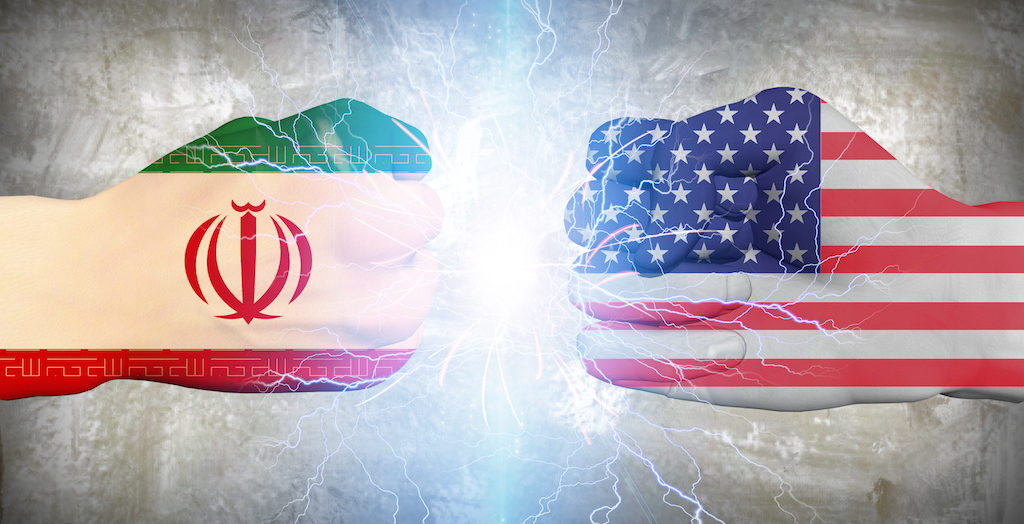
Credit: apuedge.com
Economic And Human Costs
A war would not only hurt soldiers—it would affect millions of regular people and the global economy.
Oil Prices And World Economy
The Strait of Hormuz handles about 20% of the world’s oil. Even a short conflict could send oil prices up sharply, causing higher fuel costs worldwide and economic problems for many countries.
Civilian Suffering
Iran’s people would face bombings, loss of infrastructure, and shortages of food, water, and medicine. Refugees could flood into neighboring countries. In the Gulf, countries like the UAE and Saudi Arabia could also suffer attacks.
Global Markets
Stock markets often drop sharply when war seems possible. Businesses delay investment, and trade slows down, hurting economies everywhere.
Here’s a look at how oil prices reacted to past US-Iran crises:
| Year | Event | Brent Crude Price Change |
|---|---|---|
| 2012 | US/EU sanctions on Iran | +18% in 3 months |
| 2019 | Oil tanker attacks in Gulf | +10% in 2 weeks |
| 2020 | Soleimani assassination | +4% in 24 hours |
Non-obvious insight: Many people assume only oil exporters would benefit from higher prices, but countries that rely on imported oil would suffer much more.
The Role Of Allies And International Reactions
The US and Iran are not alone—each has supporters and critics. How other countries respond could shape the war’s direction.
Us Allies
- Israel: Strongly opposes Iran and could join attacks, especially if threatened by missiles.
- Saudi Arabia and UAE: See Iran as a rival and might allow US forces to use their bases, but fear attacks on their cities.
- Europe: Prefers diplomacy, but could join sanctions or support military actions if Iran attacks first.
Iran’s Partners
- Russia and China: Both sell weapons to Iran and oppose US influence, but are unlikely to fight directly. They may help Iran with intelligence or economic aid.
- Proxy groups: Hezbollah, Iraqi militias, and the Houthis would likely attack US allies or interests.
Here’s a simple look at who supports each side:
| US Side | Iran Side |
|---|---|
| Israel | Hezbollah (Lebanon) |
| Saudi Arabia | Houthis (Yemen) |
| UAE | Syrian Government |
| UK/France (possible) | Some Iraqi militias |
Non-obvious insight: Even with powerful allies, both sides fear a wider war—many partners might limit their help to avoid being dragged in fully.

Credit: www.vox.com
Diplomatic Efforts And Peace Talks
Despite their long rivalry, the US and Iran have sometimes tried to make peace. The most important example was the 2015 Iran nuclear deal (JCPOA), where Iran agreed to limit its nuclear program in exchange for sanctions relief.
In 2018, the US left the deal, and tensions rose again. Since then, there have been secret talks, prisoner swaps, and efforts by other countries (like Switzerland and Oman) to help both sides communicate.
Diplomacy is slow and difficult, but it’s often the only way to avoid war. Even when things look hopeless, back-channel talks can prevent misunderstandings that lead to conflict. For instance, after the 2020 Soleimani strike, both sides used secret messages to avoid a bigger fight.
The Human Side: How War Would Affect People
It’s easy to focus on weapons and leaders, but a war would change life for millions. In Iran, people already struggle with sanctions, job losses, and rising prices. War would make things worse, destroying homes, hospitals, and schools.
US soldiers and their families would face new dangers. In the Gulf and Israel, civilians could be hit by missiles or forced to leave their homes. Refugee crises, trauma, and long-term health problems often follow wars—effects that last far beyond the fighting.
Non-obvious insight: Many Iranians and Americans share the same wish—to avoid war and live in peace. Sometimes, ordinary people’s voices are lost in the noise of politics and propaganda.
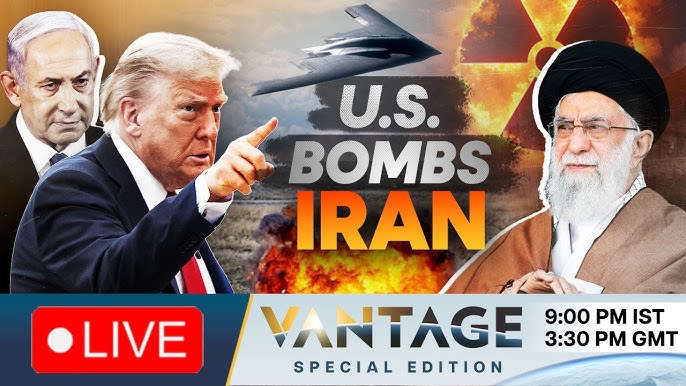
Credit: www.youtube.com
Frequently Asked Questions
What Are The Main Reasons For Us-iran Conflict?
The main reasons include Iran’s nuclear program, support for regional militias, past attacks on US interests, and the history of the 1979 revolution. Both sides also distrust each other’s intentions.
Has The Us And Iran Ever Fought Directly?
There have been several small clashes (like the 1988 naval battle in the Gulf), but never a full-scale war. Most fighting happens through proxies or indirect attacks.
Would A War Involve Other Countries?
Yes, a US-Iran war could quickly spread. Allies like Israel or Gulf States could be attacked, and Iranian-backed groups in Lebanon, Iraq, or Yemen might become involved.
Can Diplomacy Really Prevent A War?
Diplomacy is difficult but possible. Past examples, like the 2015 nuclear deal, show that both sides can compromise with the right incentives and pressure.
Where Can I Learn More About Us-iran Relations?
For a balanced overview, visit the Wikipedia page on Iran–United States relations.
A US-Iran war would be devastating, unpredictable, and costly for the entire world. Understanding the history, the risks, and the human side of this conflict is important for anyone who cares about peace and global stability.